What is a patent?


What is a patent?
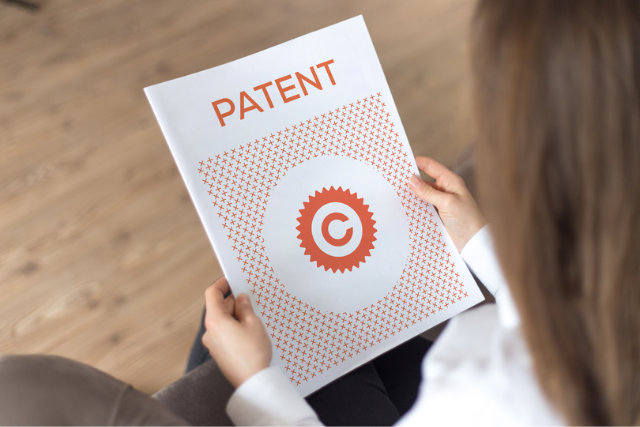
A patent is a legal document that grants the inventor exclusive rights to their invention for a specified period, typically 20 years from the filing date. These rights are recognized by the state and allow the patent holder to prevent others or companies from using, making, selling, or distributing the invention without permission. For an invention to be patentable, it must meet certain criteria:
- Novelty — the invention must be new, meaning it must not have been publicly known or used before the patent application date. For example, if someone has already published an article about the invention or used it in practice, it loses its novelty.
- Inventive step — the invention must involve a new idea that is not obvious to experts in the relevant field. This means the invention should not be merely an obvious modification of an existing technology.
- Industrial applicability — the invention must be usable in industry, meaning it can be practically used to create products or services. The patenting procedure includes several main steps:
- Preparation of the application — the patent application must contain a detailed description of the invention, drawings (if necessary), and claims that define the scope of protection.
- Filing the application — the application is submitted to the patent office of the relevant country or international organizations like the European Patent Office (EPO) or the World Intellectual Property Organization (WIPO).
- Examination — experts check if the invention meets the patentability criteria. This process includes searching for prior patents or scientific publications that may prove a lack of novelty or inventive step.
- Approval and registration — if the application is approved, the invention is registered in the patent register, and the inventor is issued a patent document. The patent holder gains the exclusive right to use their invention and license it to others. Additionally, they may take legal action against infringers. In exchange for these rights, the holder is required to pay annual maintenance fees to keep the patent in force and disclose the details of the invention, which enriches public knowledge. It is important to note that the patent provides protection only in the jurisdiction where it is granted. For example, a patent granted in Bulgaria does not provide protection in the USA or China. For international protection, it is necessary to file applications in the respective countries or through international systems such as the Patent Cooperation Treaty (PCT).
If you have questions, feel free to contact our team and schedule your consultation!

Attorney at law Iuila Danova
#3, Dobrotica Str., Varna, Bulgaria
Mob: +359 895 64 59 40
WWW: advokatvarna.com
Email: iulia.danova@abv.bg